Orthodox Calendar, November 2
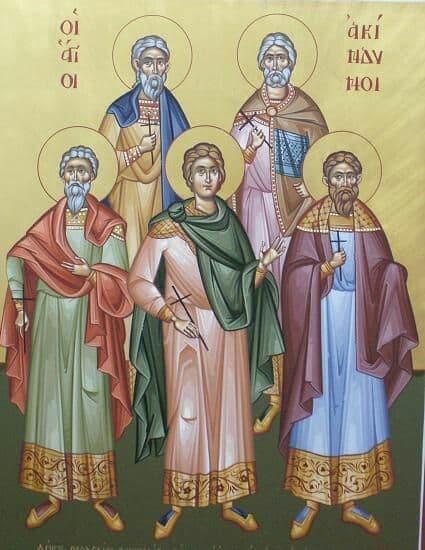
Martyrs Acindynus, Pegasias, Aphthonius, Elpidephorus, and Anempodistus of Persia
Saint Acindynus suffered martyrdom in Persia along with Saints Pegasias, Aphthonius, Elpidephorus, Anempodistus, and 7,000 other Christians at the time of King Sapor II (310-381). These saints were Sapor’s courtiers, and were secret Christians.
When the king began his persecution against Christians, envious pagans denounced them to him. Summoned to Sapor’s presence for trial, the holy martyrs fearlessly confessed their faith in the Holy Trinity. The king ordered them to be beaten with whips.
Sapor told the people that Saints Acindynus, Pegasias, Anempodistus and Elpidephorus would have their heads cut off, and that he would not permit the Christians to bury their bodies.
A tremendous crowd accompanied these saints as they were led outside the city walls for execution, glorifying Christ. On Sapor’s orders, soldiers massacred all the Christians in the procession (about 7,000), including Saint Elpidephorus.
Acindynus, Pegasias, and Anempodistus were burned on the following day with the mother of the emperor. Christians, came secretly by night to the place of execution, found the bodies of the holy martyrs unharmed by the fire, and they buried them with reverence.
Troparion — Tone 2
Blessed is the earth that received your blood, Passion-bearers of the Lord, / and holy is the dwelling place which received your spirits. / You triumphed over the enemy in the stadium / and you preached Christ with boldness. / Since He is good, we pray that you beseech Him to save our souls.
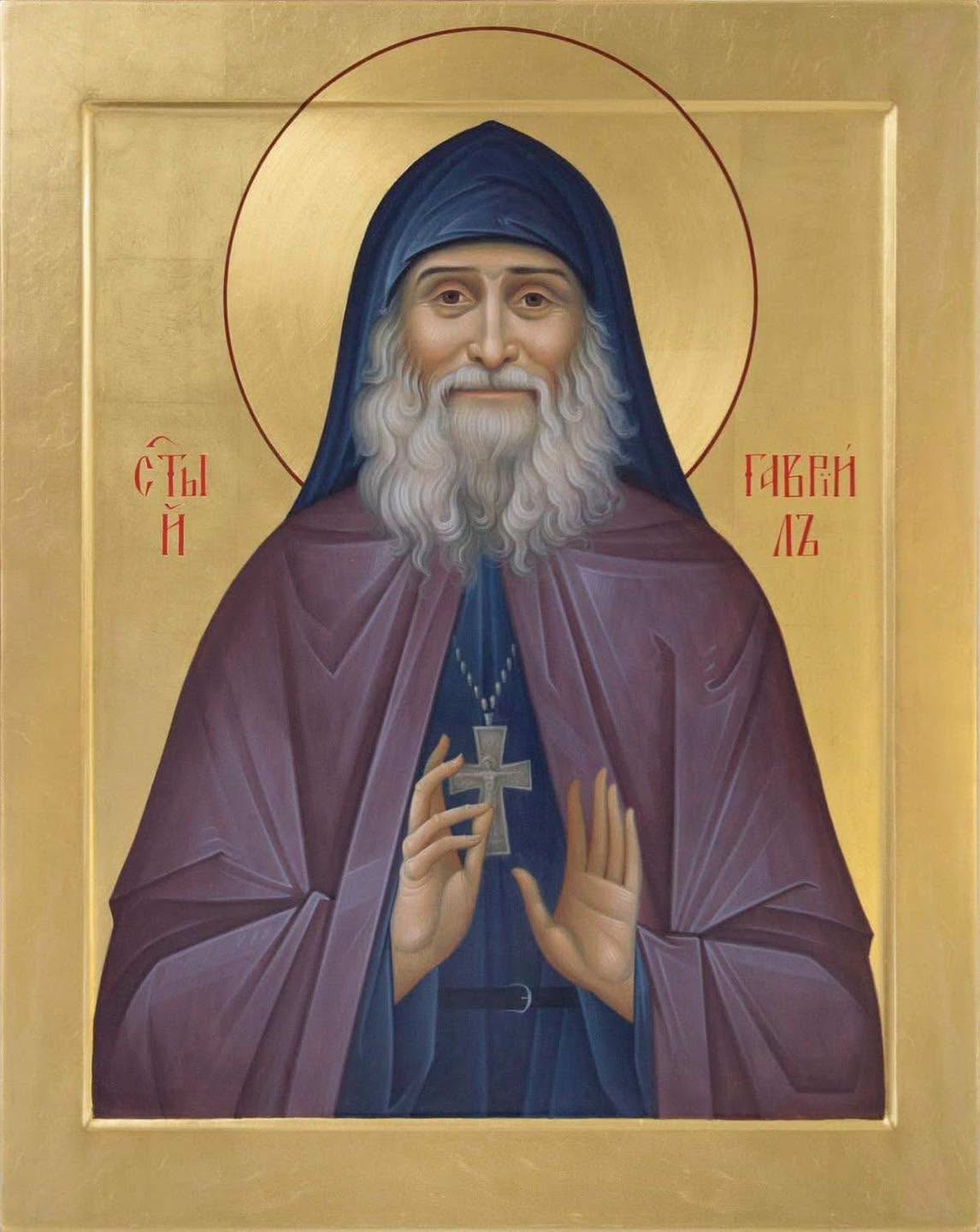
Saint Gabriel the Confessor of Georgia
He was born on August 26, 1929, in Tbilisi, the capital of Georgia, and was given the name Goderdzi at baptism. From an early age, he showed a strong inclination towards the spiritual life, building a small church in his family’s garden, which he adorned with icons he had rescued from destruction during the atheist regime.
After completing his military service in the Soviet Army, he embraced monastic life and received the name Gabriel. His courageous confession of faith became known throughout Georgia in 1965, when he set fire to a huge portrait of Lenin during a public demonstration organised by the communist authorities.
For this act, he was arrested, tried and confined to a psychiatric hospital for seven months. Following his release, he continued his ministry, patiently bearing the suffering and persecution he endured on account of his faith.
During the final years of his life, he lived at Samtavro Monastery, where he gathered numerous monks around him and became known for his gift of foresight and his spiritual counsel. He reposed in the Lord on November 2, 1995, and was buried within the monastery grounds.
The Georgian Orthodox Church canonised him in 2012, and two years later his relics were discovered and placed for veneration in the Church of the Transfiguration within Samtavro Monastery.
Tr by oca.org